Choose the two-day Short Inca Trail if you want one principal hiking day and a separate morning at Machu Picchu. Choose the four-day Classic Inca Trail if the trek itself is the reason for your trip and you want multiple days on the trail, mountain passes and nights in camp. The short trek skips the highest pass; it does not skip steep stone steps.
Two days or four days at a glance
| What to compare | Short Inca Trail | Classic Inca Trail |
|---|---|---|
| Trailhead | Km 104, reached by train | Km 82 on the Classic route |
| Main hiking effort | One main hiking day with a sustained climb and stone stairs | Several consecutive hiking days, with a high mountain pass |
| Overnight | Hotel or a separate camping itinerary | Three nights in camp on our four-day itinerary |
| Elevation | Does not cross Dead Woman's Pass | Crosses Dead Woman's Pass at about 4,215 m (13,829 ft) |
| Booking check | Confirm the Km 104 permit and included citadel visit | Confirm the Classic permit, camps and included citadel visit |
What the Short Inca Trail is like on the ground
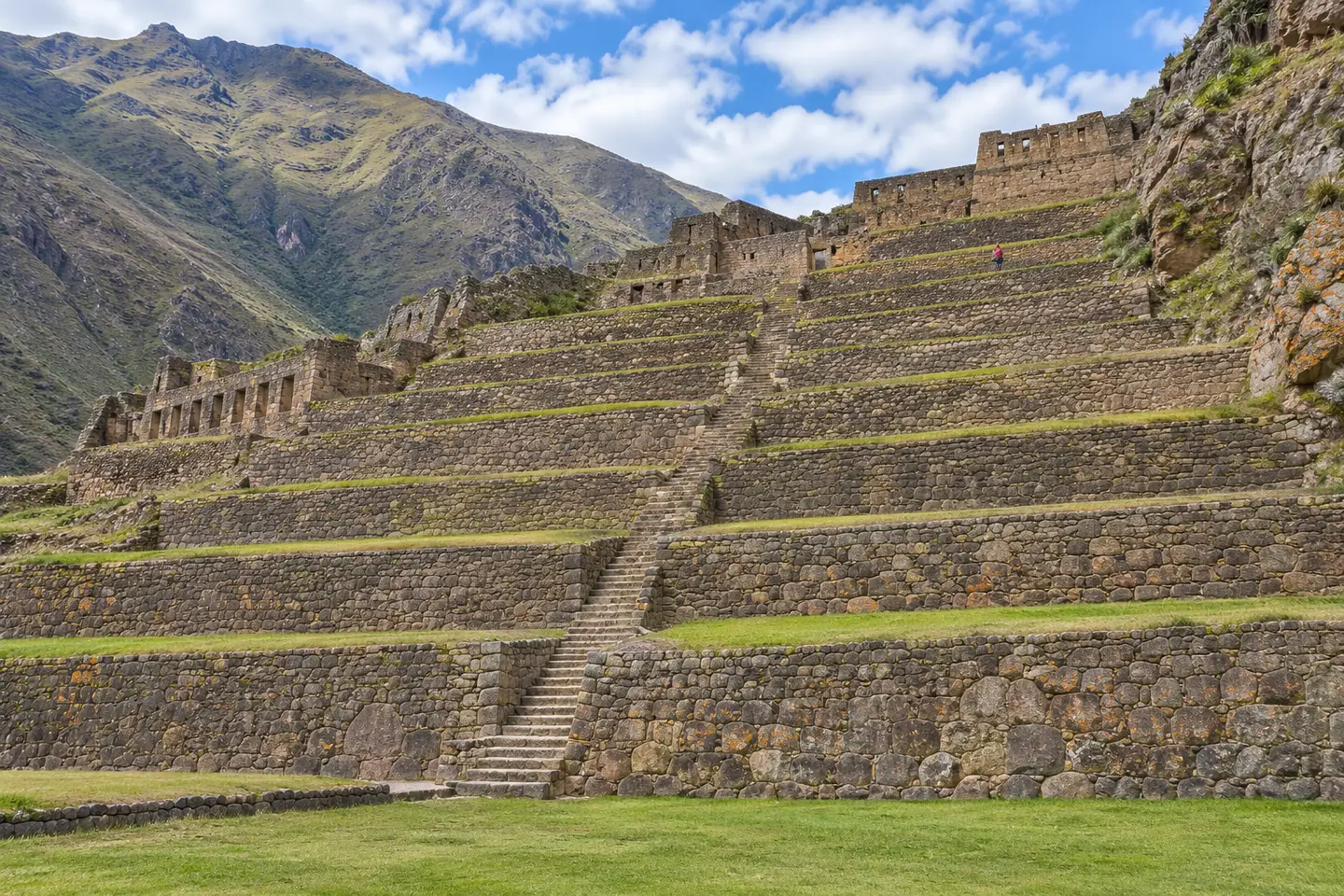
Day one starts with a train journey and a stop at Km 104. From the trailhead the path climbs toward Winay Wayna, where terraces open up views of the valley. The approach to the Sun Gate is the part many travelers picture when they book. The actual walk involves repeated climbs and steps, and wet stone can slow the group down. Treat the day as a hike, not a short transfer to the ruins.
The hotel-based itinerary continues to Machu Picchu Pueblo for the night. Our Short Inca Trail with camping is a separate product: it changes where you sleep and what you need for the evening, not the need to confirm the correct permit. Check the pickup, where your overnight bag goes, what you carry and your day-two walking route before choosing between them.
What the Classic Inca Trail adds
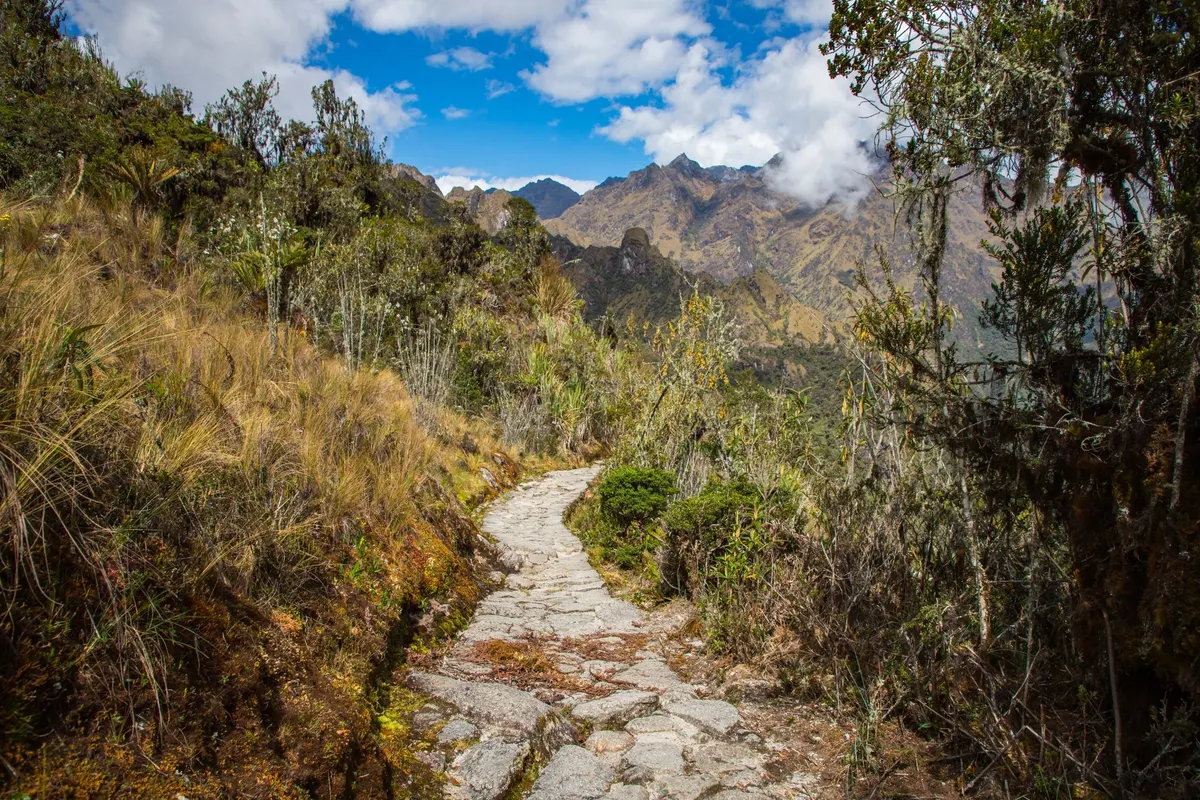
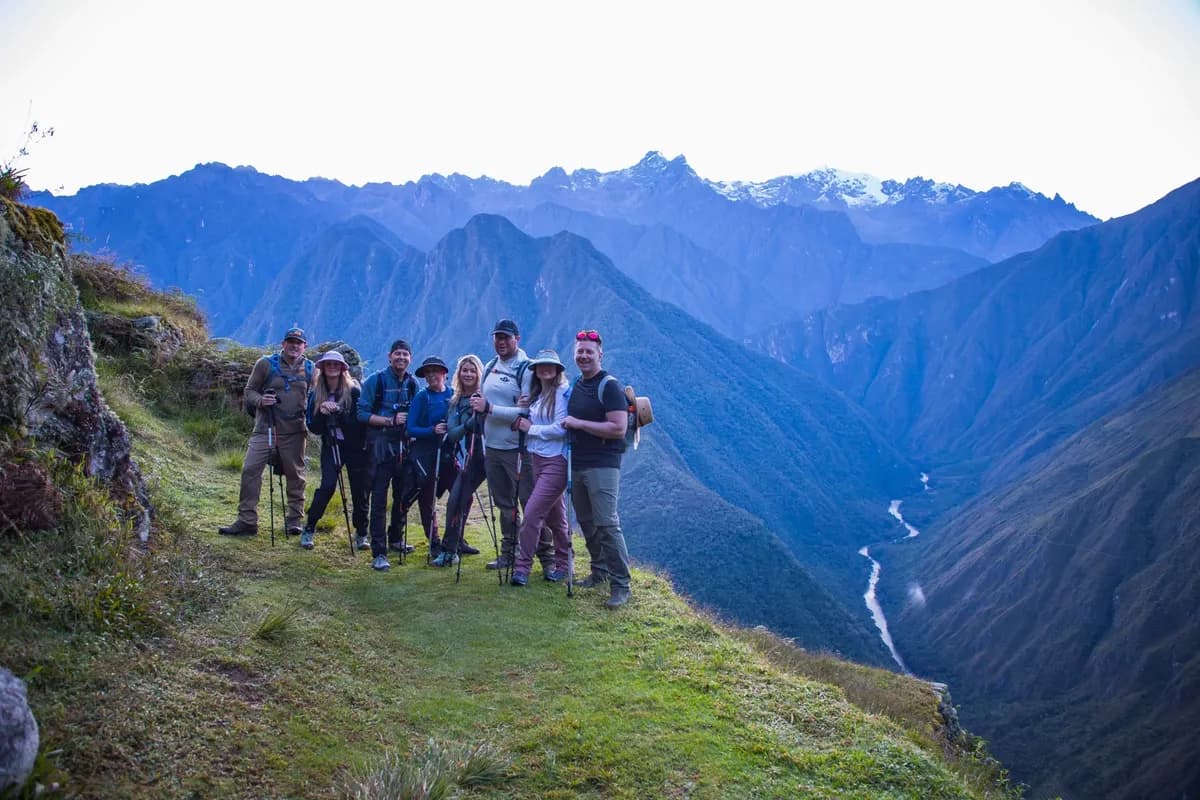
The Classic four-day route begins at Km 82 and gives the landscape time to change around you. You cross higher Andean terrain before descending into cloud forest. The climb over Dead Woman's Pass is only part of the challenge: the descent, changing weather and another walking day afterward matter too.
If you are comparing operators, ask for the itinerary by day, not just the total distance. Confirm how much you carry yourself, which meals are covered and which sleeping gear is supplied. Review our Inca Trail altitude guide before deciding how much time to leave before the trek.
How to choose when your itinerary is tight
Pick the short route when you have two days but still want a full hiking day on the Inca Trail. Pick the Classic route when walking between archaeological sites and sleeping outdoors are priorities. Choose a train-based visit when your group mainly wants to see the citadel or someone would struggle with long stretches of stairs. You can compare the transfers in our Cusco to Machu Picchu travel guide.
When checking Inca Trail availability, keep your route and date together. A spot on one route does not imply a spot on the other, and calendar inventory isn't a confirmed permit. Ask for the exact trailhead, overnight arrangement, Machu Picchu circuit and return plan in writing before locking in the rest of your trip.
See the archaeological park’s authorized Inca Trail routes for official route names and access rules.
Frequently asked questions
Is the two-day Inca Trail easier?
It is shorter and avoids Dead Woman's Pass, but it still includes a sustained climb and steep steps. Expect the first day to do most of the walking.
Can I stay in a hotel on the Short Inca Trail?
Yes. Our hotel-based Short Inca Trail and the camping version are separate itineraries. Check the overnight details for the one you want.
Do both treks include the same Machu Picchu circuit?
Do not assume they do. The walking route and the scheduled citadel visit are different parts of the itinerary. Ask for the named circuit and entry time before booking.